
RB2B AI: ASK US ANYTHING
Creating a B2B sales pipeline from scratch takes a clear, repeatable system, not luck. Start by defining your ideal buyer, generating demand, and capturing real visitors. Qualify prospects by fit and intent, then reach out quickly. This approach replaces random lead chasing with a predictable pipeline built on quality and revenue.
Many B2B teams have leads coming in but still struggle to build a predictable sales pipeline. They chase form fills, rely on low-intent lists, and let valuable website visitors disappear. The result? A busy pipeline that fails to produce consistent revenue.
The solution is to build a repeatable B2B sales pipeline around buyers most likely to convert. That means defining your ICP, generating the right demand, capturing high-intent visitors, qualifying leads by fit and intent, and reaching out while interest is fresh.
This blog outlines 8 steps to build a B2B sales pipeline from scratch. You’ll learn how to define your ideal customer, generate demand, structure pipeline stages, connect your CRM, and measure performance.
A sales pipeline is the path a buyer takes toward a purchase. It breaks that journey into clear, trackable stages. Each stage shows what must happen next. A healthy pipeline gives you visibility and control.
Building one from scratch means designing the whole system. You define your buyer, your stages, and your process. Good lead generation software then feeds it with real prospects. The goal is not more leads. The goal is a predictable, qualified pipeline.
From scratch means you control every part. You are not patching a broken funnel. You are designing one that scales with you.
Do not confuse a pipeline with a funnel. A funnel tracks broad interest across a market. A pipeline tracks specific, active deals. Predictability is the real prize here. A built pipeline forecasts revenue, not hope.
Many pipelines look busy but produce little revenue. A few root causes explain most failures:
The biggest leak is invisible. Most of your traffic never identifies itself. RB2B reports it can identify 70-80% of website traffic (RB2B). Without that visibility, your best buyers slip away unseen.
Volume without quality clogs your pipeline. Quality without volume starves it. That gap has a real cost. You pay to attract traffic, then lose most of it. Closing that gap is often the fastest way to win in the pipeline. It uses demand you have already earned.
Each step below builds on the last. Follow them in order for a clean start or fix your weakest stage first if a pipeline already exists.
None of these steps require a big budget. They require focus and a repeatable process. Start small, then improve each step over time.
Every pipeline starts with a clear target. Your ideal customer profile, or ICP, defines who you serve best. Skip this, and you waste effort on poor fits.
Start with data you already have. Interview your happiest, highest-value customers. Ask why they bought and what problem you solved. Patterns in those answers reveal your true ICP.
Describe the companies most likely to buy and stay. Focus on firmographics and real pain, not guesses. Build your ICP around a few clear traits:
Do not confuse your ICP with a buyer persona. The ICP describes the company you target. A persona describes the person inside it. You need both to aim well.
Write down who is not a fit too. Disqualifiers save your team from dead-end deals. Share the ICP with both marketing and sales. When both teams agree, targeting gets sharper.
Review your ICP every few quarters. Markets shift, and so does your best fit. A stale ICP quietly misdirects your whole pipeline. For a deeper build, see this ideal customer profile guide.
Rank your ICP into simple tiers. Tier one accounts match every trait. Tier two matches most of them. This ranking tells reps where to start. Your ICP also sizes your market. Multiply fit accounts by average deal value. That number shows your real opportunity.
Step outcome: a precise target that focuses your whole pipeline.
With a target set, you need demand. Demand generation creates awareness and interest among your ICP. Done right, it fills your site with real buyers.
Balance inbound and outbound demand. Inbound pulls buyers in with useful content. Outbound reaches out to your target accounts. A healthy pipeline uses both.
Focus on channels where your buyers already spend time:
Aim for intent, not just reach. One thousand ICP-fit visitors beat ten thousand random ones. Create content around problems your buyers actually search for. Helpful content earns trust before any sales touch.
Build content around a few core pillars. Tie each pillar to a real buyer problem. Depth on fewer topics beats shallow coverage. Search engines and buyers both reward focus.
Warm demand converts far better than cold. A returning visitor already knows your brand. Nurture that interest instead of restarting it each time.
Track which channels drive pipeline, not just clicks. Cut spend on traffic that never converts. Strong demand generation feeds the whole pipeline. But demand alone is not enough.
Optimize your best content for search and AI. Buyers now ask engines and assistants for answers. Clear, structured content earns those mentions, and not every visitor is ready today. Nurture early interest with helpful follow-up. Stay useful until the timing is right.
Step outcome: a steady flow of ICP-fit traffic and interest.
Here most pipelines lose their biggest opportunity. Most visitors never fill out a form or book a call. Traditional capture waits for them to raise a hand.
Do not rely on forms alone. And do not lean on purchased contact lists. Bought data is often stale and low-intent. Cold lists hurt deliverability and your brand.
First-party data beats bought data every time. It comes from real interest on your own site. That intent is fresh, accurate, and yours. It also respects your buyer's privacy.
Instead, capture the demand you already earned. Visitor identification reveals the people behind your traffic. RB2B places a light pixel on your site. It then surfaces real visitors, not just company names. You get names, LinkedIn profiles, and work emails.
RB2B focuses on US-based traffic for this reason. That keeps identification practical and compliant. You act where your buyers actually convert.
This turns anonymous traffic into a first-party pipeline. Speed is the hidden advantage here. You reach a buyer who is actively researching. That beats a cold email weeks later. See how to identify anonymous website visitors for the full method.
Picture the workflow in action. A buyer reads your pricing page twice. RB2B resolves that visitor and alerts your rep. The rep reaches out the same day. Handled well, this builds trust, not friction. You reach out with relevance, not creepy detail.
Step outcome: a pipeline fed by real, high-intent visitors.
Not every captured lead deserves a sales call. Treating all leads the same wastes your reps' time. Qualification sorts the ready from the merely curious.
Score each lead on two axes, fit and intent:
Split your leads into clear tiers. A marketing-qualified lead shows interest but needs nurture, and a sales-qualified lead is ready for a rep. Agree on both definitions before you route.
A director at a target account visiting pricing is hot, while a student reading one blog is not. RB2B lets you filter visitors by revenue, size, seniority, and department (RB2B). You route only real prospects to sales.
Give points for fit and for behavior. A pricing visit might score higher than a blog read. Set a threshold that triggers sales outreach. Keep the math simple enough to trust.
Signals matter as much as titles. Repeat visits and key pages reveal real intent. Combine lead scoring with a simple lead qualification checklist. Keep the model easy to explain.
Also, set a clear handoff between marketing and sales, define when a lead is truly sales-ready, and agree on how fast reps must follow up. A written SLA keeps leads from going cold. Revisit low-scoring leads on a schedule too.
Step outcome: sales spends time only on high-quality leads.
Speed decides many B2B deals. Fresh intent fades within hours, not weeks. So reach out fast, while your brand stays top of mind.
Build a simple, multi-touch sales cadence. Mix channels to match how buyers respond:
Space your touches across one to two weeks. Reach out on day one, two, four, and seven. Then pause before a final follow-up. A steady rhythm keeps you present without being annoying.
Personalize with context, not just a first name. Reference the pages they viewed and their likely goal. RB2B's Hot Pages shows which key pages they visited. That context makes your outreach relevant and welcome.
Match effort to lead value. Top accounts deserve deep, custom research. Mid-tier leads can use light personalization. Automate the rest without sounding robotic.
Lead with value, not a hard pitch. Share a useful insight tied to their goal. A fast, human note beats a slow, polished one. For structure, study this sales cadence guide.
Test your subject lines and opening messages. Small changes can lift reply rates fast. Keep what works and drop what does not. The first team to respond often wins. Fast follow-up catches the buyer while curious.
Step outcome: timely, relevant outreach that starts real conversations.
Now give your pipeline a clear structure. Stages turn scattered deals into a trackable process. Each stage marks real progress toward a close.
Keep your stages simple and outcome-based. A common B2B pipeline looks like this:
Write a simple rule for each stage exit. A lead becomes qualified once it meets the fit and intent criteria, and a meeting stage needs a booked call on the calendar. Clear rules keep your data honest.
Track conversion rates between each stage too. Weak spots show you exactly where to improve. Watch pipeline velocity as well. It measures how fast deals move and grow.
Keep the same stages across your whole team. Shared definitions make forecasts believable. A sales-qualified lead should mean the same thing to everyone.
Resist the urge to add too many stages. Every extra stage adds friction and confusion. Cut any stage that does not change a decision. Simpler pipelines are easier to trust and forecast.
Step outcome: a shared, honest view of every deal's progress.
Your CRM is the home of your pipeline. It holds every deal, contact, and next step in one place. Without it, the pipeline lives in scattered notes and memory.
Set up your CRM to match your stages. Then keep the data clean and current:
Automate the busywork wherever you can. Route new leads to the right owner by territory. Trigger tasks when a deal changes stage. Send alerts when a target account returns.
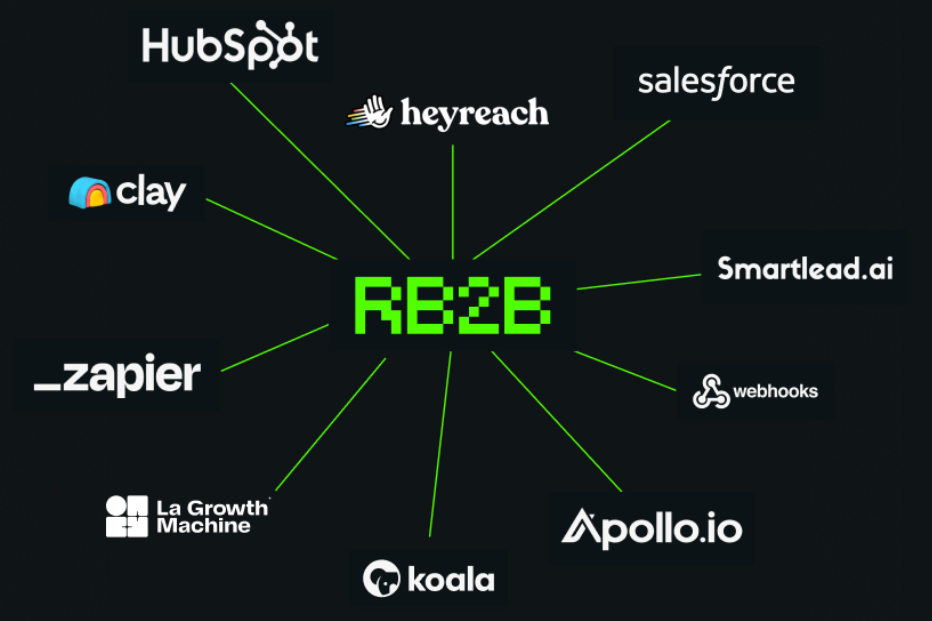
Connect your other tools to the CRM. RB2B can send visitors straight to your CRM, like HubSpot or Salesforce. Identified buyers then automatically flow into your pipeline. Your reps act without manual data entry.
Standardize a few required fields per deal. Source, stage, value, and next step are enough. Consistent data powers reliable reports.
A clean CRM makes forecasting possible. Messy data hides risk and kills trust. Treat hygiene as a weekly habit, not a one-time project.
Keep your tech stack connected, not scattered. Every tool should sync with your CRM so data stays in one place. One connected system is better than multiple isolated tools. As accurate forecasting depends on reliable, up-to-date data, keep your CRM clean and current.
Step outcome: one reliable source of truth for your pipeline.
You cannot improve what you do not measure. A pipeline needs the right metrics to stay healthy. Track numbers that predict revenue, not vanity stats.
Do the coverage math for your team. Say your quarterly quota is 100,000 dollars. At a 25 percent win rate, target 400,000 in pipeline. That keeps your goals grounded in reality.
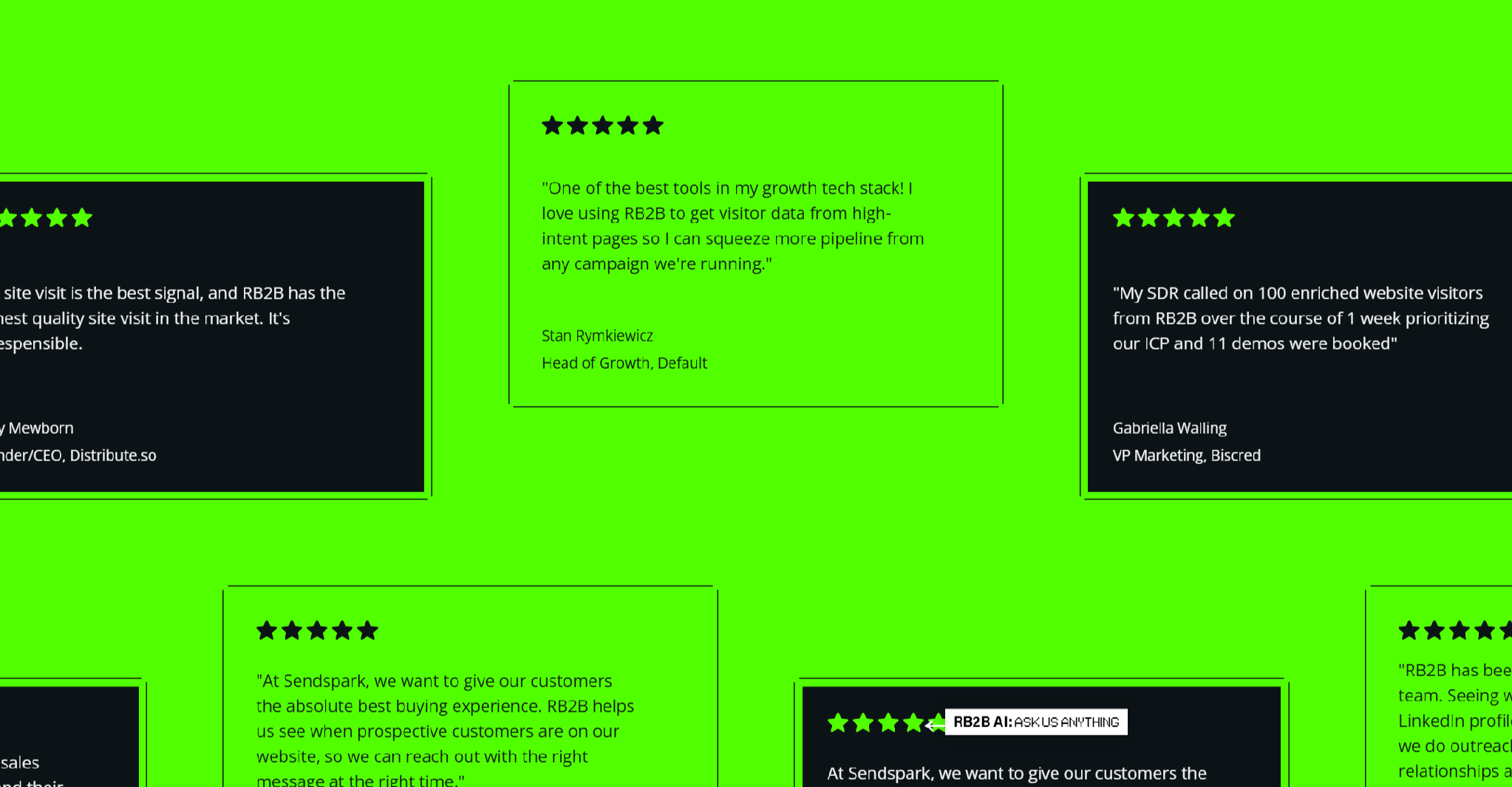
Watch a simple example of a pipeline in action. One RB2B customer called 100 enriched visitors in a week. Prioritizing their ICP, the team booked 11 demos (RB2B). That is the pipeline measured in real opportunities.
Review the pipeline weekly with your reps. Inspect stalled deals and clear next steps. Monthly, step back and study the trends. This rhythm keeps forecasts accurate.
Feed every lesson back into earlier steps. Use intent data to focus on ready buyers. Small, steady improvements compound into major pipeline growth.
Balance leading and lagging indicators. The pipeline created is a leading signal. Closed revenue is a lagging one. Watch both to steer and to score. Attribution is never perfect in B2B. Use it to guide, not to prove.
Step outcome: a pipeline you can predict and improve over time.
A few habits quietly break new pipelines. Watch for these traps as you build:
Each mistake feels productive for a while. But none of them builds a durable pipeline. Audit your pipeline against this list monthly. Catching a trap early saves months of wasted effort.
A B2B sales pipeline is a system, not a lucky streak. You define your buyer, generate demand, and capture real visitors. Then you qualify, reach out, and track every stage.
The biggest edge is visibility. Most of your buyers never fill out a form. Identify them, qualify them, and engage them early. That is how a modern pipeline gets built.
Pair a clear process with real-time visitor intelligence. You get higher-quality opportunities and faster sales cycles. You can see how RB2B works with a quick demo.
A predictable pipeline is a real competitive edge. It lets you forecast, hire, and grow with confidence. Guesswork cannot do the same.
Your traffic already holds your next deals. Give your team the system to reach them.
It depends on your traffic, cycle length, and team. An early pipeline can form within weeks of launching. But a stable, predictable pipeline often takes a few quarters. Consistency matters more than speed here.
Most B2B pipelines use four to six stages. Fewer stages miss detail, and too many add friction. Match stages to how your buyers actually buy, and keep each stage clear and outcome-based.
Many teams aim for about 3 times their pipeline quota. The right number depends on your win rate. A lower win rate needs more coverage. Track your own history to set the target.
For anything beyond a few deals, yes. A CRM keeps stages, contacts, and next steps organized. It also enables forecasting and reporting. Start simple, then add automation over time.
Alert your reps, start automated outreach, and add to lead score in under five minutes.

