
RB2B AI: ASK US ANYTHING
“Who is visiting my website?” is a question that goes beyond curiosity. Knowing who’s interacting with your site is critical for converting traffic into tangible leads, especially when you can identify high-intent visitors who may never fill out a contact form.
Whether you're managing a small business or overseeing a larger enterprise, understanding who’s browsing your website can transform your outreach strategy and expand growth opportunities.
This guide will walk you through exactly how to find out who’s visiting your website, why it’s essential, and what the best tools to unlock these hidden insights are. By the end, you'll know how to reveal the invisible visitors on your site—and how to use a 100% free tool to deliver these insights in real time.
If you’re trying to figure out who’s visiting your website, traditional traffic analytics may give you a general sense of visitor behavior—it’s a shame they often fall short when it comes to identifying ACTUAL visitors, though.
Thankfully, there are specialized methods that can help you get more specific data, especially for businesses looking to focus on qualified leads. Below, we’ll go through three practical ways to uncover this information:
IP tracking software identifies the IP addresses of your website visitors and matches them to specific companies.
For example, Leadfeeder offers advanced IP tracking features that reveal the companies browsing your site and provide detailed firmographics, such as industry, location, and employee count. Another platform, Albacross, enables real-time alerts whenever key accounts revisit your site, giving you a timely opportunity to engage with prospects while interest is still fresh.
Visitor behavior analytics tools track how visitors engage with different parts of your site. They provide detailed insights into actions like:
For instance, Crazy Egg visualizes visitor interactions through heatmaps, helping you pinpoint which areas of your site attract the most interest. This allows you to adjust your layout or content placement for maximum engagement. Similarly, Hotjar combines visitor recordings and survey insights, giving you a clear view of how users navigate and respond to your site’s elements.
Reverse DNS lookup is an advanced method of tracking that allows you to trace back the domain associated with an IP address. It’s a step up from IP tracking since it can reveal more specific information about the visitors’ domain, such as the company network they’re using. Here’s a quick overview of the distinctions between the two methods:
Reverse DNS lookup is helpful when you want to verify visitor sources and ensure that your outreach targets the right companies based on their domain activity.
IPinfo is a popular reverse DNS lookup platform that provides detailed information on visitor domains, helping you verify sources and refine your outreach strategy. An alternative, DNSlytics, also offers comprehensive data, making it a reliable choice for reverse DNS lookups.
Google Analytics 4 (GA4), for example, can tell you how many people visited your site, which pages they viewed, how long they stayed, what devices they used, and where they came from. It can also show which marketing channels, campaigns, or content drive the most traffic and conversions.
But what GA4 won’t tell you is who those visitors are. It won’t reveal the names of individual visitors, the companies they work for, or contact information your sales team can use for outreach. If someone from a target company spends 15 minutes on your pricing page, GA4 will record the session, but it won't identify the website visitor or the company they work for.
Understanding who visits your website can make the difference between passive views and actionable insights that drive growth. Whether you're focused on real-time tracking or in-depth analytics, the right platforms will help you make informed decisions and engage with high-intent visitors.
The website visitor tracking software market is oversaturated! If you don’t have time to research and test the tools, check out my top six picks:
Here’s a simple table for a quick comparison before we discuss what each tool has to offer:
RB2B is our website visitor identification platform that unmasks the anonymous visitors landing on your website and matches them to company accounts. Through our partnership with Demandbase, RB2B also enriches identified accounts with firmographic and technographic data for better qualification and outreach.
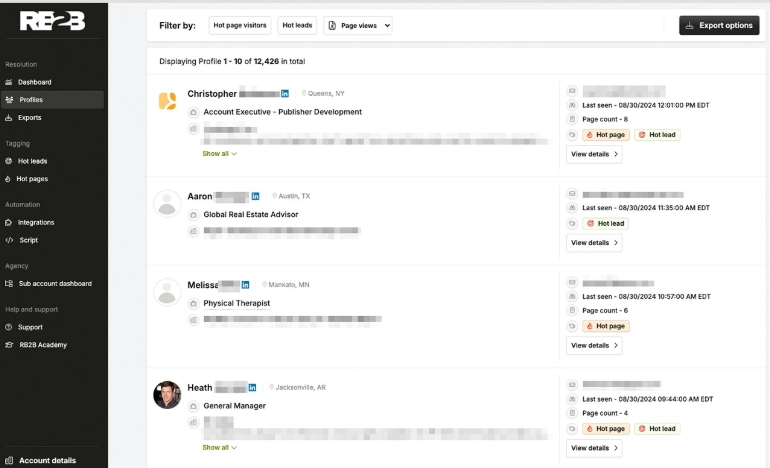
On paid plans, RB2B goes a step further by identifying the actual people visiting your website, not just the companies they work for. It reveals their names, job titles, email addresses, and LinkedIn profiles, giving your sales team the information they need to act while interest is still high.
Some stand-out RB2B features that’ll benefit your team include:
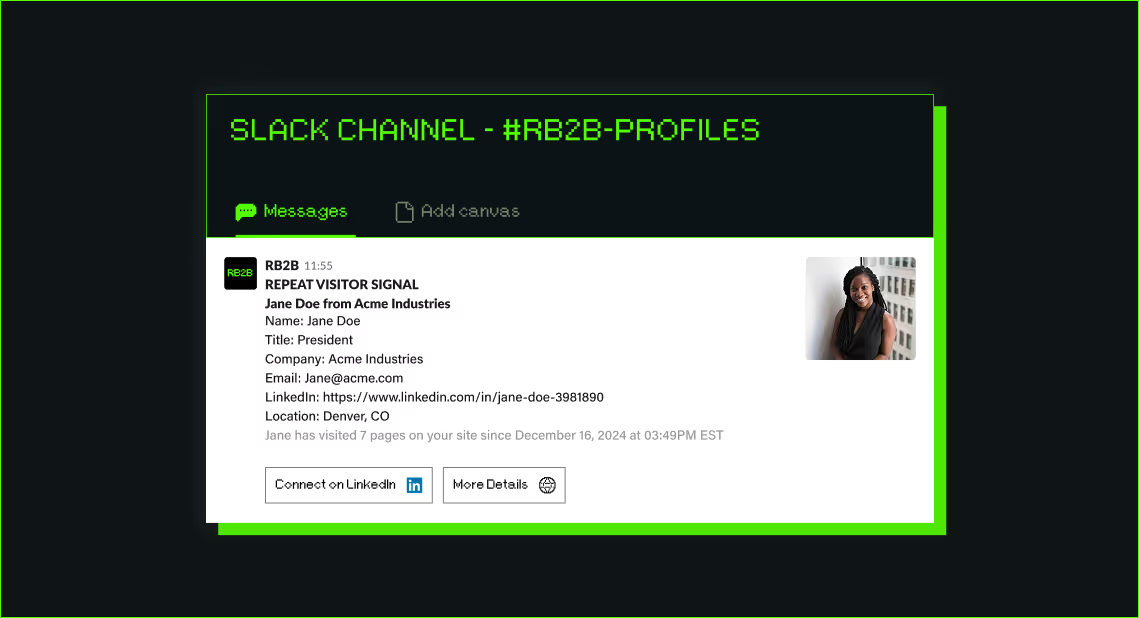
RB2B has a free plan that allows you to identify up to 150 company accounts monthly. Paid plans include all features, including individual-level website visitor identification, and start at $79/month.
ZoomInfo Sales doesn’t just track who visits your website—it transforms that information into actionable data that drives outreach decisions. With its sophisticated lead identification and automation tools, it’s like having a dedicated assistant that ensures no lead is missed, no follow-up is delayed, and every potential customer is engaged at just the right time.
Here’s what I like most about ZoomInfo Sales:
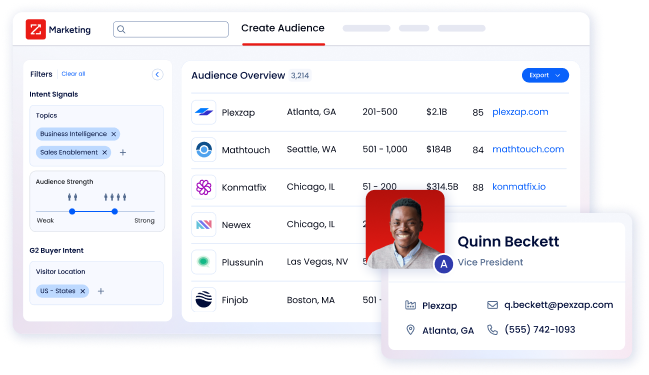
Source: ZoomInfo
Pricing starts at $15,000 per year, depending on company size and selected features. Personally, I have a gripe with the price tag as it can be quite steep for smaller teams. However, if you have the budget, the value ZoomInfo delivers makes it a worthwhile investment.
Bonus read: Want the full scoop? Check out our ZoomInfo review for key highlights.
HubSpot excels at turning visitor data into actionable insights with its suite of integrated tools. From tracking detailed visitor behavior to identifying the companies behind the traffic, it provides everything you need to engage website visitors with precision. The platform’s ability to monitor visitors in real time ensures that you never miss a chance to connect while they're actively browsing.
Here’s what makes HubSpot a favorite:
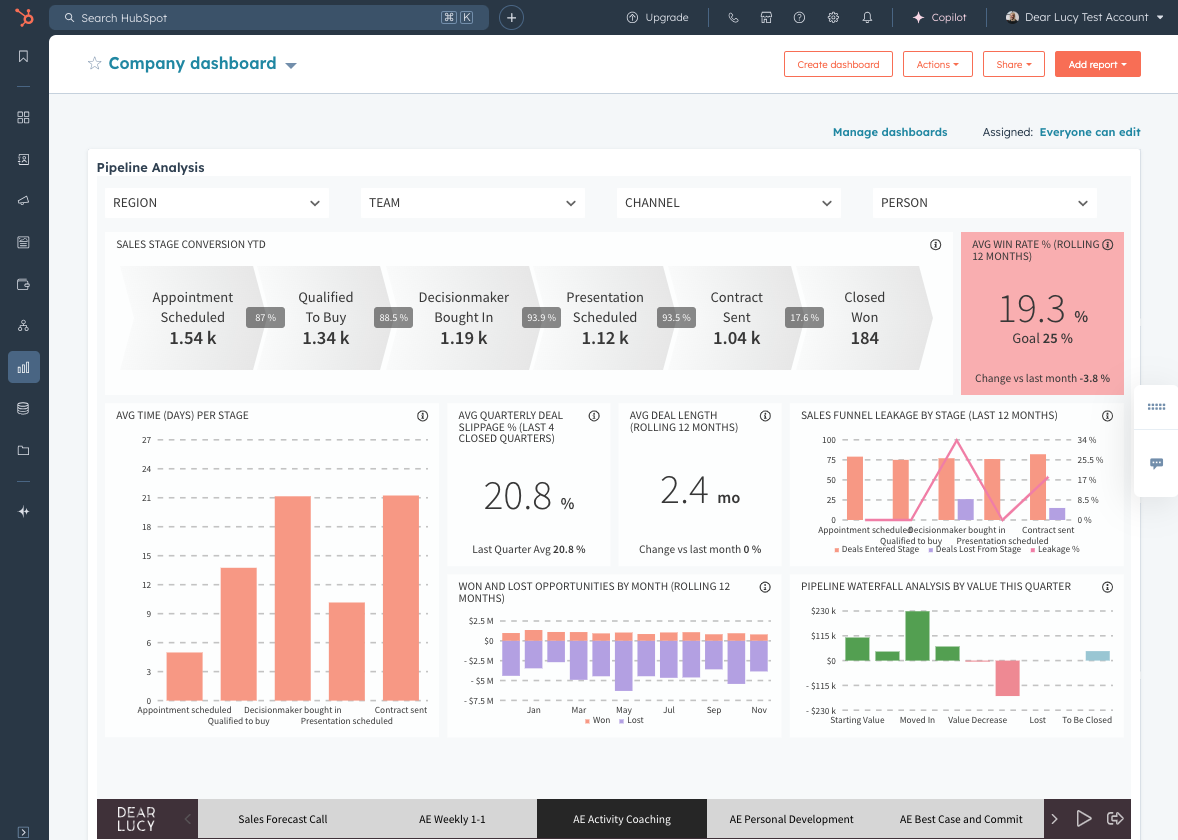
Source: HubSpot
Pricing starts at $800/month for the Professional plan and scales up to $3,600/month for the Enterprise plan.
Lift AI brings a fresh approach to uncovering high-intent visitors that most tools miss. Imagine being able to identify anonymous prospects the moment they interact with your site, gauging their likelihood to convert based on subtle behavioral cues. For my team, this meant focusing on visitors who were actively in buying mode, allowing us to engage at just the right time and boost conversions without chasing dead leads. Lift AI’s precision and real-time insights made a tangible impact on how we approached lead generation.
Here’s why Lift AI became a favorite for our team:
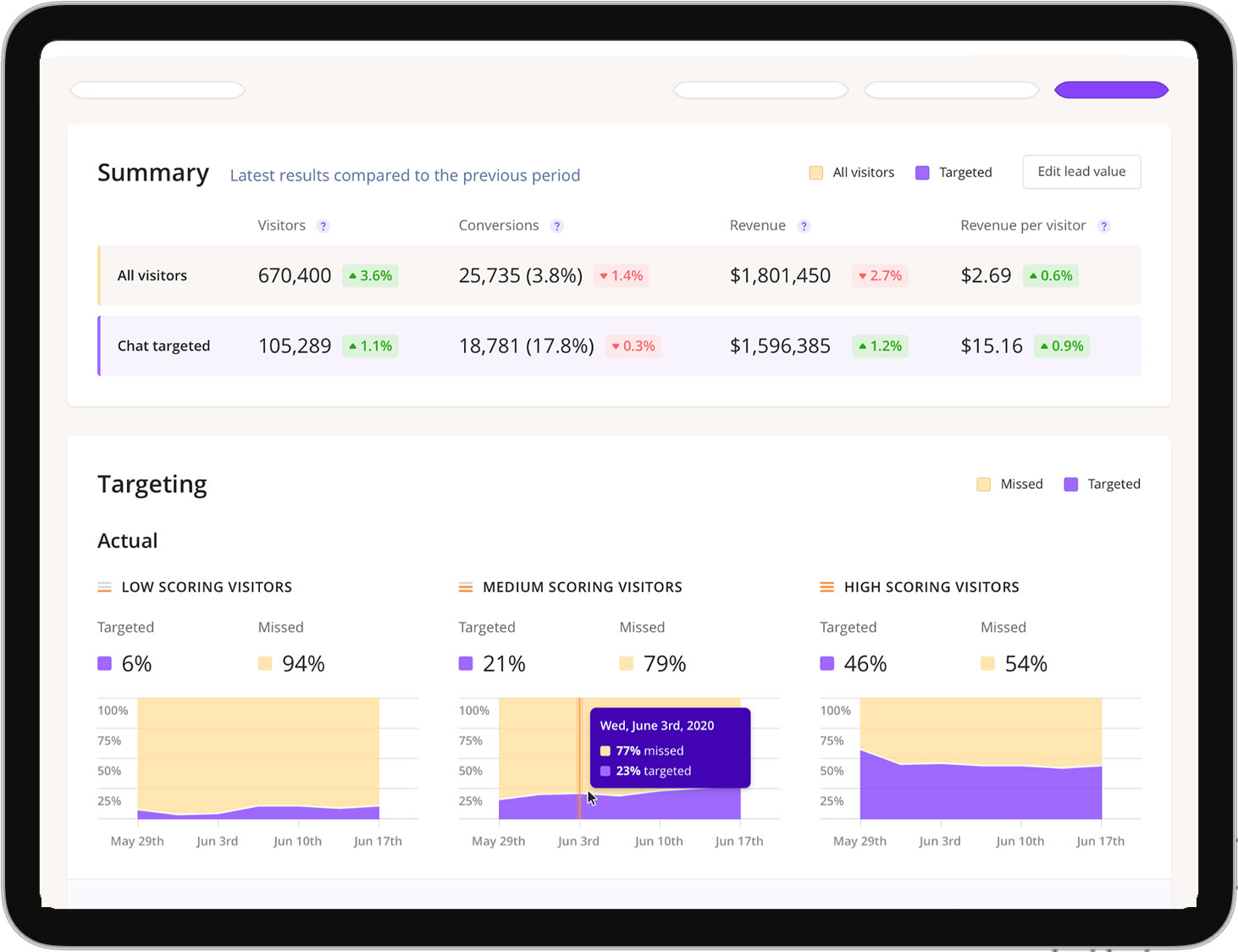
Source: Lift AI
Pricing starts at $1,500/month for the Essentials plan, with additional features in higher tiers.
Albacross reimagines how you track website visitors, offering more than just visibility into who’s browsing—it identifies the most promising prospects with precision. With company-level insights, my team gained a deep understanding of which businesses were engaging with our content, turning our outreach into a more focused and effective strategy.
Here’s what makes Albacross an indispensable asset:
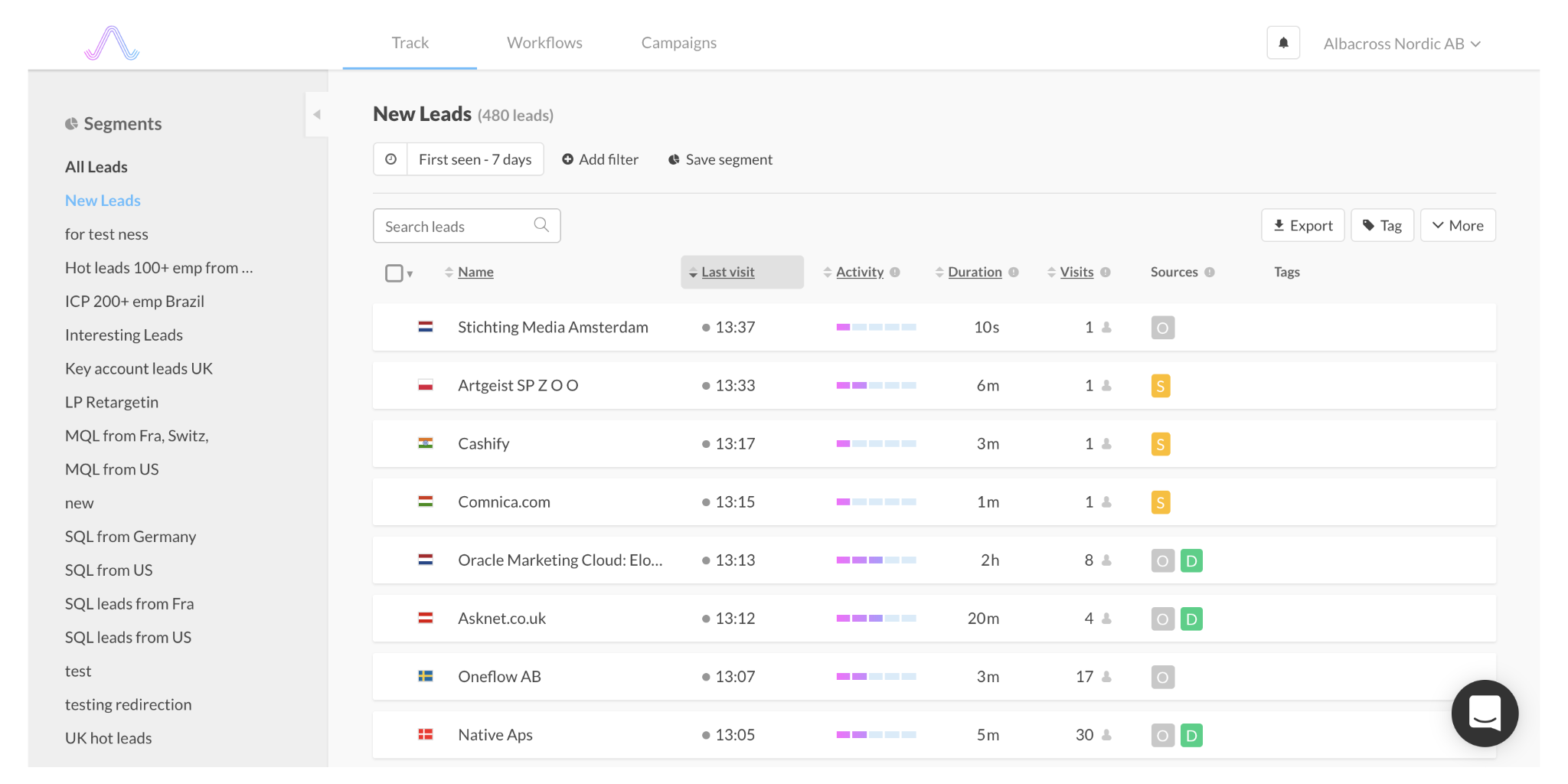
Source: Albacross
Pricing starts at €79/month (≈ $85.45) for the Self-Service plan, with tailored plans for businesses scaling up.
Apollo.io is a powerhouse sales platform that brings everything, from tracking to multi-channel outreach, under one roof. One of its standout features is the ability to capture intent signals, giving you insight into not just who’s visiting but what they’re interested in.
For my team, this meant no more wasted efforts on cold leads—Apollo allowed us to target high-value prospects with laser-like precision, managing emails, calls, and even LinkedIn conversations without ever leaving the platform.
Here’s what I love about Apollo:
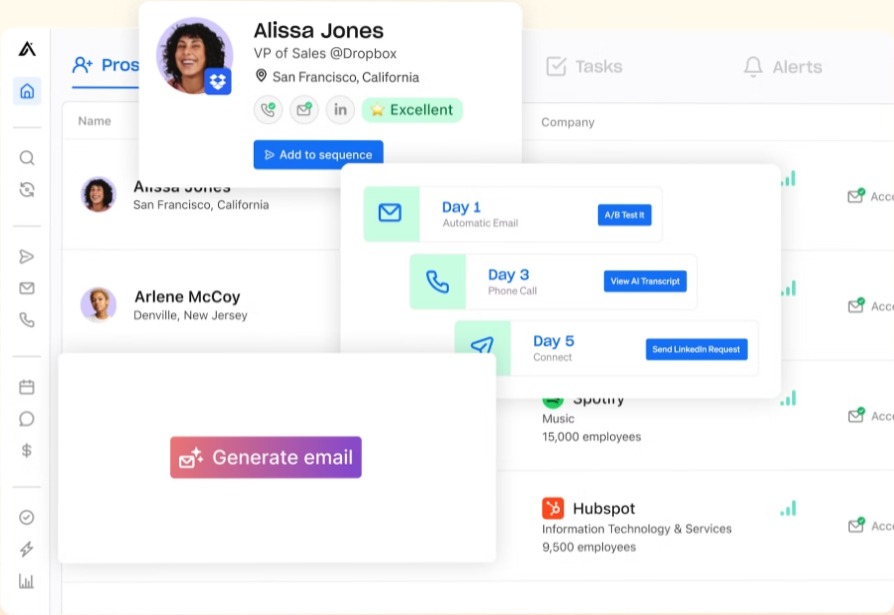
Source: Apollo.io
Apollo offers a free plan with basic features, while paid plans start at $49/user/month.
Bonus read: Get insight into Apollo’s strengths with our detailed review and check out its alternatives.
Yes, identifying website visitors is 100% legal as long as you collect, process, and use visitor data in compliance with applicable privacy regulations.
The key regulations to consider are:
The General Data Protection Regulation (GDPR) governs how businesses collect, process, and use personal data from individuals in the European Union and European Economic Area.
If your website receives traffic from EU visitors, you need to ensure you have a lawful basis for processing personal data, clearly explain how visitor information is collected and used, and respect user rights around accessing or deleting their data.
If you’re using RB2B, you don’t need to worry about GDPR compliance for the visitor data processed through our platform because RB2B focuses exclusively on identifying U.S.-based website traffic, which GDPR doesn’t apply to.
The California Consumer Privacy Act (CCPA) and California Privacy Rights Act (CPRA) give California residents more control over how businesses collect, share, and use their personal information.
Businesses using website visitor identification tools to analyze California traffic need to ensure they provide transparency around data collection, maintain appropriate privacy disclosures, and work with vendors that follow responsible data handling practices.
RB2B is 100% compliant with CCPA and CPRA regulations, ensuring that your use of visitor data adheres to the highest privacy standards.

It’s also important to understand that reverse IP lookup, which many visitor identification tools use, is not synonymous with tracking individuals without consent.
Reverse IP lookup typically matches a website visit to an associated company or individual using business or publicly available information that is publicly available or freely volunteered. This is different from tracking internet users and collecting their personal information without consent.
Responsible visitor identification tools like RB2B follow strict privacy and compliance standards, so users can be sure they are accessing legally acquired data.
No. Website tracking tools don’t hack into devices or access private information. Instead, they use publicly available information and IP addresses to match visitors to their identities.
Website visitor tracking doesn’t have to cost thousands of dollars annually. Tools like RB2B have free plans that let you identify up to 150 company accounts monthly, with paid Pro plans starting at $79/month.
Small businesses can benefit too. Website visitor identification can help your small business uncover potential customers, prioritize high-intent prospects, and focus your little sales efforts on leads more likely to convert.
Identifying and tracking website visitors is no longer a luxury—it’s an essential part of a modern lead generation strategy. Whether you're curious about which companies are visiting your site or trying to pinpoint individual prospects, having the RIGHT TOOLS at your disposal makes all the difference. Platforms like ZoomInfo and Apollo help you recognize anonymous companies, but they don’t unmask the individuals behind them, so you are unable to take immediate action.
If you need beyond company-level tracking, RB2B offers person-level visitor data that provides specific, real-time details about individual visitors.
Getting started with RB2B is quick and simple—all you need to do is:
With a 7-day Pro trial, you can explore RB2B’s capabilities without commitment. After the trial, you can continue using the platform for FREE or upgrade to the Pro+ version and get access to advanced features.
Start exploring RB2B today and get precise insights into who's visiting your website with the potential to create personalized outreach—no stress, just real-time results!
No. Google doesn’t reveal the specific people who search for your website. However, website visitor identification tools can help you identify some of the people and companies that visit your website after finding you through search.
You can identify your anonymous website visitors using website visitor identification tools that analyze signals like IP addresses, company data, and visitor behavior. Tools like RB2B can help match anonymous visitors to company accounts and, on paid plans, reveal person-level details when available.
In most cases, no. Standard website analytics tools like Google Analytics don’t reveal individual visitors. However, if the website you visited uses a visitor identification tool, the business may be able to identify you based on available data signals and the information associated with your visit.
IP tracking typically identifies the company associated with a website visit, helping businesses understand which organizations are showing interest. Person-level identification goes further by matching website activity to an individual visitor when possible, providing details like names, job titles, email addresses, and LinkedIn profiles for more targeted follow-up.
Yes, to a limited extent. Some website visitor identification tools offer free plans that let you identify a certain number of company accounts each month. For example, RB2B’s free plan lets you identify up to 150 company accounts per month, while person-level identification is available on paid plans.
Yes, website visitor identification can be legal when businesses collect and use visitor data in accordance with applicable privacy laws. The specific requirements depend on factors like the type of data collected, how it is used, and where your visitors are located. RB2B is complaint with all privacy regulations including GDPR, CCPA and CPRA.
No. Google Analytics provides information about website traffic and visitor behavior but does not typically reveal the names or contact details of individual visitors. Website visitor identification tools like RB2B though can provide additional information by matching available data signals to companies and, when possible, individual visitors.
That depends on the information available and the visitor identification technology being used. Some tools can identify companies and, in certain cases, individuals visiting your website without requiring the visitor to fill out a form. However, businesses should use visitor data in accordance with applicable privacy laws and their privacy policies.
Before you go: Looking to explore further? Our ultimate guides cover the leading tools for lead generation and outreach:
Featured image source: Pavel Danilyuk
Alert your reps, start automated outreach, and add to lead score in under five minutes.

